No, manual lymphatic drainage does not reduce fat or reshape your body. It moves fluid and that distinction matters if body contouring is the reason you’re considering booking a session.
At Sacred Hour in Lakewood, Ohio, our team is trained specifically in the Vodder technique, the original clinical method built for moving fluid, not sculpting tissue. Samantha, Sacred Hour’s manual lymphatic drainage trainer and specialist, explains why that distinction changes what the treatment can honestly deliver, and why the fastest, hardest strokes are usually working against the body instead of with it.
Key Takeaways
- Manual lymphatic drainage cannot remove or shrink fat cells.
- Visible “before and after” changes from lymphatic massage are usually water retention, oil sheen, camera angles, or lighting, not fat loss.
- Sacred Hour trains its team in the Vodder technique, using slow, rhythmic strokes that match the lymphatic system’s own contractile pace.
- Fast, sweeping strokes used in wood therapy or “sculpting” massage can activate the nervous system’s fight-or-flight response, whereas Vodder MLD seeks to do the opposite, inducing a parasympathetic response into rest-and digest.
- Manual lymphatic drainage should never hurt. Pain is a sign the nervous system has not settled into the rest state the treatment depends on.
What Manual Lymphatic Drainage Actually Changes
Your lymphatic system’s job is to collect excess fluid, proteins, dietary fats in the form of chyle from the small intestine and cells (waste and immune) that build up in tissue and carry them back into blood circulation, as blood plasma. From there blood recirculates and carries cells to the corresponding organs and tissues. For the full breakdown of how that process works, see how manual lymphatic drainage works at Sacred Hour.
Fat tissue works completely differently; and is processed by the small intestine and the liver. Fat cells cannot be removed by any massage technique. The only way to physically remove them is liposuction, a surgical procedure, and the only way to shrink them is a sustained caloric deficit paired with exercise. No amount of pressure, speed, or tool changes that.
This is also confirmed outside of Sacred Hour’s own practice. Independent health resources note that lymphatic massage techniques, including the Vodder method, help facilitate the movement of fluid. As Samantha puts it, “the body is not made of Play-Doh.” Manual lymphatic drainage cannot reshape you the way that phrase implies.
Why the Vodder Technique Moves the Way It Does
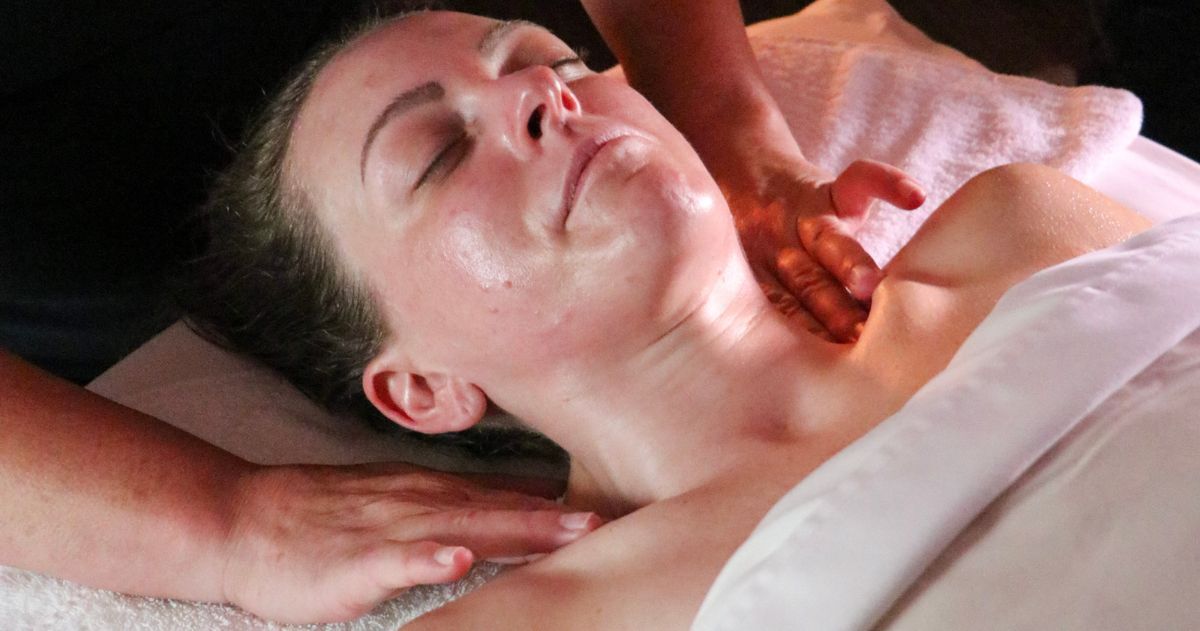
The Vodder technique is named for its developer, and it moves fluid in one direction: from high pressure to low pressure, working proximal to distal toward the point where everything drains, at the collarbone.
The pace isn’t arbitrary. Your lymphatic system has its own contractile rate. The lymph collectors, called lymphangions, have smooth muscle that opens and contracts on its own rhythm, similar to how your small intestine moves food along through peristalsis. Vodder technique strokes are slow and rhythmic because they’re built to match that rhythm, not override it.
Sacred Hour’s certified lymphatic drainage team, all trained in Vodder technique, learn to work with this pace rather than rush past it. That’s a deliberate choice, not a stylistic one.
Why Fast, Sweeping Strokes Work Against the Goal
Manual lymphatic drainage works with your nervous system as much as your lymphatic system. Fast, sweeping strokes, the kind used in wood therapy or aggressive “sculpting” massage, tend to keep the body in a sympathetic state: the fight-or-flight response that activates rather than calms. Research on massage and the nervous system supports this. Pressure and pace both shape whether a treatment shifts the body toward a relaxed, parasympathetic state or an alert one.
Here’s how the two approaches actually compare:

That matters more than it might seem. Research on myofascial release has found that manual force alone does not change fascial structure. The nervous system does.
Slow, rhythmic strokes that signal safety allow tissue to soften. Fast, hard strokes generally don’t.
This is why the deepest work in a Vodder technique session, even in the abdomen, stays as gentle compression rather than the harder tissue strokes used with wood tools. Manual lymphatic drainage should never hurt. If it hurts, the nervous system isn’t in the state it needs to be in for the body to actually heal.
Where the Body-Contouring Claims Actually Come From
The idea of manual lymphatic drainage body contouring shows up constantly online, but the real explanation is less dramatic than the videos suggest. Some of what people see in “before and after” photos is real. Reduced swelling in superficial tissue can visibly change how a body looks in the moment. But a lot of it comes down to oils, camera angles, and lighting that make temporary water retention look like something more permanent and precise.
That’s the gap between what’s marketed and what’s mechanically happening. A slimmer-looking waist in a photo taken right after a session is rarely a lasting change.
FAQ
Does manual lymphatic drainage reduce fat?
No. Manual lymphatic drainage only affects fluid, not fat cells. Fat cells can only be removed through liposuction, a surgical procedure, or reduced in size through biological processes, diet and exercise. Any slimmer appearance after a session usually comes from reduced water retention or swelling, not fat loss, and that change is typically temporary.
Is wood therapy the same as manual lymphatic drainage?
No. Wood therapy and Brazilian-style lymphatic massage use fast, sweeping strokes and rigid tools, often marketed for body contouring. Manual lymphatic drainage performed with the Vodder technique uses slow, rhythmic strokes by hand, designed to move fluid and calm the nervous system. The two share a name but work through different mechanisms toward different results.
Should manual lymphatic drainage hurt?
No. Manual lymphatic drainage should never hurt. Pain signals that your nervous system has not settled into the parasympathetic, rest and digest state the treatment depends on. Sacred Hour’s Vodder-trained therapists use light, rhythmic pressure throughout the session, including gentle compression in the abdomen, because true healing happens when the body feels safe, not forced.
What does manual lymphatic drainage actually help with?
Manual lymphatic drainage supports fluid balance, reduces swelling, and can ease tissue pressure around joints. Many clients also notice a deep sense of relaxation, since the technique down-regulates the nervous system from “fight-or-flight” into “rest-and-digestion”. It is a wellness and recovery tool, not a fat loss or body contouring treatment.
What Manual Lymphatic Drainage Is Really For
Manual lymphatic drainage can genuinely change how you feel: lighter, calmer, less swollen, and more at ease in your body. What it cannot do is contour your shape or replace fat loss. Samantha put it plainly: do it for your health, not for aesthetics.
If you’re curious what a Vodder technique session actually feels like, book a manual lymphatic drainage session with Sacred Hour’s certified team in Lakewood.